

China’s K-visa explained: A new H-1B alternative for foreign tech workers
Looser requirements and STEM focus make Beijing’s new visa globally competitive
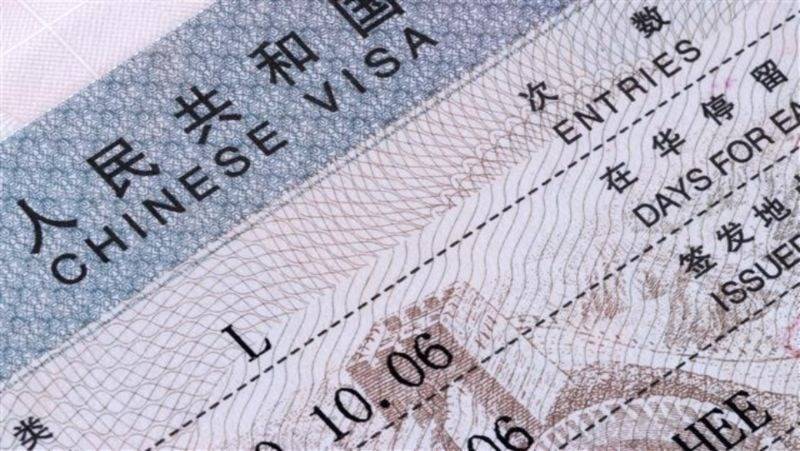
DUBAI – China has stepped into the global race for science and technology expertise with the launch of its new K-Visa, a programme designed to draw in foreign professionals amid growing restrictions on US H-1B visas.
The scheme, which began on 1 October 2025, allows qualified individuals in STEM fields to live, work, research, or start businesses in China – without needing a job offer beforehand.
The introduction comes as the United States increases H-1B fees and salary thresholds, raising costs to nearly $100,000 per new applicant, a move that has frustrated many aspiring tech workers. With this backdrop, China’s K-Visa has quickly caught the attention of foreign graduates and professionals, especially from India and Southeast Asia, seeking alternative routes to global experience.
What is China’s K-Visa?
The K-Visa is China’s latest category for foreign professionals in science, technology, engineering, and mathematics (STEM). It differs from previous visa types such as the R-Visa, which targets top-tier talent, and the Z-Visa, which requires employer sponsorship. By comparison, the K-Visa offers greater flexibility, particularly for early-career researchers and innovators.
Applicants can apply directly through the New China Online Visa Application System (COVA), and if approved, stay in China for up to 180 days to explore job opportunities, collaborate on projects, or participate in research. The K-Visa aligns with Beijing’s ambition to strengthen its leadership in artificial intelligence, semiconductors, and robotics, all central to China’s “Made in China 2025” innovation strategy.
Eligibility is open to applicants holding at least a bachelor’s degree in a STEM discipline from an accredited institution or those currently working in research or education. Recognised fields include data science, biotechnology, renewable energy, and advanced manufacturing.
How to apply
Applying for the K-Visa is a hybrid digital and physical process. Applicants begin by submitting their details, credentials, and passport information online via the COVA portal. Once approved for review, they print a Visa Application Certificate for in-person verification at a Chinese Visa Centre.
Key documents include:
- A valid passport with six months’ validity
- A recent passport-sized photo (48mm × 33mm)
- Degree certificates and a current CV
- Proof of financial support and medical exam results
How much it costs?
Government fees depend on nationality. US citizens pay $140, while non-US citizens pay between $23 and $68 depending on visa type and duration. Optional expedited processing costs $25. Translation services for non-English documents typically range between 300-500 RMB ($42-70) per certificate.
Once in China, visa holders must register with local police within 24 hours, apply for a residence permit within 30 days, and complete a medical examination if not already done prior to arrival.
Why China introduced it
The K-Visa comes as China faces both opportunity and pressure. While youth unemployment in China remains near 18%, the government is simultaneously contending with a shortage of skilled professionals in cutting-edge sectors.
Beijing perceives the tightening of immigration policies in the US as an opportunity to position itself globally as welcoming foreign talent. The policy aims to plug China’s “talent gap” while reversing decades of brain drain, as many Chinese graduates continue to settle in the US and Europe after completing their studies abroad.
Despite its promise, experts warn that attracting global talent will require more than a visa policy. Foreign professionals in China still face language barriers, internet censorship, and limited pathways to permanent residency. As of 2023, only 711,000 foreign workers lived in China – an insignificant fraction of its 1.4 billion population.
Local jobseekers have also expressed concerns, saying the current job market is already under fierce competition. Others argue that bringing in international talent could help bridge skills gaps and accelerate innovation.
State media, however, insists the benefits outweigh the risks. A recent commentary by the Shanghai Observer stated that foreign professionals would “create, not take, local jobs” and help modernise China’s technology sector.